
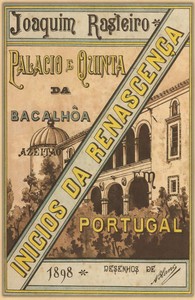
Inicios da Renascença em Portugal: Quinta e Palacio da Bacalhôa em Azeitão,…
Joaquim Rasteiro’s Inicios da Renascença em Portugal: Quinta e Palacio da Bacalhôa em Azeitão is exactly the kind of book that makes you feel like an adventurer without leaving your couch. I picked it up expecting a dry history lesson and got a real-life treasure hunt into one of Portugal’s most charming secrets.
The Story
At its core, this book is about a fancy estate in Azeitão, a countryside spot near Lisbon. Rasteiro turns into your historical tour guide, walking you through the palace's grand rooms, courtyards, and flower beds. But really, it’s about the grand question: Where did Portugal’s Renaissance come from?
The story covers how the Bacalhôa palace built itself up from a medieval farm to a full-blown masterpiece in the 1500s. Rich families, artistic crackerjacks, and maybe even some odd influences from overseas all collided here. The author tracks down old letters, tile patterns, and building tricks to show how this place soaked up Italian, Flemish, and Moorish vibes while doing its very own Portuguese thing. He uses piles of evidence—photographs, watercolors, stone carvings—to prove that the palace was a stage for one of the first big fireworks of Portugal’s creative revival. And along the way, he introduces the unknown master builders, poets, and patrons who made it happen.
Why You Should Read It
Setting: It’s sweet without folks getting sticky about facts. Rasteiro writes like someone who brushed dust off pages, sketched endless arches, and fell under the palace’s spell. His excitement is catchy: you almost feel the cool air of those old rooms and want to trace the patterns on the tile walls. No list of facts, but a genuine invitation to wonder ‘What was it like to grow up in a place like this in1580?’ He even makes you side with old patrons and new ideas—not just timelines.
Issue: It reminds me that creativity sometimes pops up far from the art capitals literature raves about. Portugal wasn’t just “like Italy but smaller” but right brilliant on its own! The characters—if he builds them from clues—are fascinating royalty mixed with craftsmen. It’s a easy read when you put Rasteiro’s ancient photographer vibe next to today’s crazy pace: he’s taking time to look closely at detail and be amazed.
Final Verdict
Truthfully this air-popped fun history suits eager amateurs, art mysteries lovers, or readers of more “feel-it” books than official textbooks. But maybe you love hiking among grown-over ruins and thinking about the lives that unfolded there. This gives wings to that hobby, all from your stack at home. Don’t wait unless you think Portugal is sunset cliffs only—a palacio once lifted the country’s artistic heart off the ground.”
There are no legal restrictions on this material. Feel free to use it for personal or commercial purposes.
Thomas Smith
2 years agoIt’s rare to find such a well-structured narrative nowadays, the author doesn't just scratch the surface but goes into meaningful detail. I appreciate the effort that went into this curation.




Joseph Miller
3 months agoA must-have for graduate-level students in this discipline.