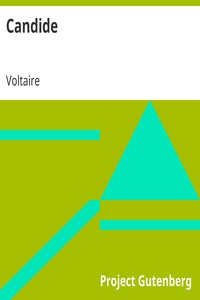
Candide by Voltaire
Published in 1759, Candide is one of the most famous satires ever written. Voltaire, a French Enlightenment thinker, uses this story to poke fun at blind optimism, organized religion, and the idea that everything happens for a reason.
The Story
Candide is a young, naive man living a sheltered life in a German castle. His tutor, Dr. Pangloss, teaches him that this is 'the best of all possible worlds' and that everything happens for a good reason. But Candide's peaceful life is shattered when he's kicked out of the castle for falling in love with the baron's daughter, Cunégonde. What follows is a chaotic, often brutal journey across continents. Candide faces war, earthquake, shipwreck, and betrayal. He reunites with and loses his beloved Cunégonde multiple times, all while gathering a strange crew of companions. The plot moves at a breakneck pace, with each new chapter bringing another absurd tragedy. Through it all, Pangloss's cheerful philosophy is tested against a very harsh reality.
Why You Should Read It
First, it's genuinely hilarious. Voltaire's wit is sharp, and the situations are so over-the-top you can't help but laugh. But the humor has a point. Underneath the jokes is a serious question: How do we find meaning and happiness in a world full of suffering and injustice? Candide's journey is about learning to see the world as it is, not as we wish it to be. The characters are memorable – from the hopelessly optimistic Pangloss to the cynical old scholar Martin. The book doesn't give easy answers, but it pushes you to think. It's also shockingly short and readable. You could finish it in an afternoon, but you'll think about it for much longer.
Final Verdict
Candide is a classic that doesn't feel like homework. It's perfect for anyone who enjoys smart, dark comedy or stories about questioning authority and finding your own path. If you like the satirical edge of shows like The Good Place or books by Kurt Vonnegut, you'll see Voltaire as their spiritual ancestor. It's also great for book clubs because there's so much to discuss – philosophy, history, human nature. Don't let its age scare you; this is a lively, provocative, and utterly entertaining book that still has a lot to say to us today.
This book is widely considered to be in the public domain. Knowledge should be free and accessible.
George White
11 months agoMy first impression was quite positive because the objective evaluation of the pros and cons is very refreshing. I feel much more confident in my knowledge after finishing this.
Mary Thompson
2 years agoAfter a thorough walkthrough of the table of contents, the critical analysis of current industry standards is very timely. The price-to-value ratio here is simply unbeatable.
Christopher Perez
4 months agoI wanted to compare this perspective with traditional views, the concise summaries at the end of each section are a lifesaver. A trustworthy resource that I'll keep in my digital library.
James Perez
1 month agoThis digital copy caught my eye due to its reputation, the case studies and practical examples provided add immense value. I'll be citing this in my upcoming project.



Ashley Taylor
1 year agoA brilliant read that I finished in one sitting.